How to Automate Your Cybersecurity Defenses with Generative AI

0

Growing recognition of potential of generative AI to cybersecurity.

Organizations are realizing more and more how revolutionary generative AI can be in transforming cybersecurity tactics as they work to strengthen their defenses.

Being one step ahead of hostile actors is crucial in a time when cybersecurity threats are significant. While somewhat successful, traditional cybersecurity solutions frequently fail to keep up with the ever-evolving sophistication of cyber threats.

Read More Informative Articles In Urdu

Automation of cybersecurity defenses is greatly promising when it comes to generative AI, a branch of artificial intelligence that concentrates on producing new material or data.

Germinative artificial intelligence (AI) systems can greatly improve an organization’s overall security posture by supplementing human efforts with the ability to evaluate large volumes of data and predict possible risks through the use of machine learning techniques.

Security Using Generative AI

Fundamentally, generative AI works on the tenet of creating new insights or content by learning from preexisting data.

This technology can be used in the field of cybersecurity to find patterns, abnormalities, and possible vulnerabilities in complicated datasets that might evade the attention of conventional detection techniques.

Threat identification and analysis is one of the main uses of generative AI in cybersecurity. Through constant observation of network traffic, system records, and user behavior, generative artificial intelligence algorithms are able to recognize unusual activity that may be a sign of impending cyberattacks.

Furthermore, these systems are capable of self-adaptation and evolution in response to novel dangers and attack vectors, providing a proactive protection mechanism against ever-present risks.

Benefits of Using Generative AI to Automate Cybersecurity Defenses

Generative AI incorporation into cybersecurity frameworks has a number of strong advantages.

  • Real-time Threat Detection: Organizations may react quickly to new threats by using generative AI systems, which are excellent at spotting unusual activity and possible security breaches in real-time.
  • Enhanced Accuracy: Generative AI can evaluate large datasets with a high degree of accuracy by utilizing sophisticated machine learning techniques. This lowers the likelihood of missing important security incidents and reduces false positives.
  • Scalability and Efficiency: Regardless of the size or complexity of their digital infrastructure, enterprises can grow their cybersecurity defenses effectively with automation driven by generative AI. Entire protection across all network endpoints and devices is ensured by this scalability.
  • Defense Mechanisms That Are Adaptive: Because generative AI systems are inherently flexible and can learn from new information, they are able to continuously improve their threat detection skills and remain one step ahead of ever-changing cyberattacks.
  • Cost-effectiveness: Organizations can save costs without sacrificing strong security procedures by automating repetitive cybersecurity processes and lowering reliance on human interaction.

Some Things to Think About When Using Generative AI in Cybersecurity

Although incorporating generative AI into cybersecurity defenses has several potential advantages, there are a few things that businesses need to be aware of:

  • Data Privacy and Ethical Issues: Since generative AI in cybersecurity requires access to sensitive data, privacy and ethical issues are brought up. To reduce these risks, organizations must place a high priority on data protection and adherence to pertinent laws.
  • Algorithmic Fairness and Bias: Generative AI models and other machine learning algorithms are subject to bias that exists in the training set. Organizations must address algorithmic bias in order to guarantee equitable and just outcomes in cybersecurity decision-making procedures.
  • Human Oversight and Intervention: Although automation can make cybersecurity operations more efficient, human oversight is still necessary to verify warnings, analyze findings, and make wise judgments in challenging security situations. To optimize the effectiveness of their cybersecurity defenses, organizations should create a balance between automation and human interaction.
  • Continuous Monitoring and Evaluation: In order to evaluate generative AI models’ effectiveness, spot any flaws, and take user feedback into account for future development, they must be continuously monitored and evaluated. Building strong monitoring systems is crucial to sustaining automated cybersecurity defenses’ efficacy over time.

The issue with cybersecurity is that there is an abundance of data

It’s a fact that humans are not designed to handle large volumes of data. Our attention and working memory are limited, making it difficult for us to keep and process several pieces of information at once.

We are more prone to err, overlook subtle trends, or develop bias in our interpretations the more data we handle. Our social skills, inventiveness, and intuition are our greatest strengths.

The field of cybersecurity is awash in data. The volume of data to sort through, from network traffic to log files, is astounding. It’s commonly known as the “security data deluge.” An average firm creates more than 17,000 security events every week, according to a Splunk analysis! This may result in:

  • Alert fatigue: When security staff lose their sensitivity to alerts, threats go unnoticed.
  • Information overload: Due to the overwhelming amount of data, analysts find it difficult to sort and evaluate it.
  • Ineffective use of resources: Groups squander time and money on unimportant or false positives.

Prospects for the Future

The application of generative AI in cybersecurity is expected to grow as it develops. More advanced generative AI systems that can tackle new and complex cyber threats with unmatched precision and efficiency will be made possible by future developments in machine learning techniques and computing capacity.

Furthermore, cooperation between researchers studying AI, data scientists, and cybersecurity will spur innovation in this field and result in integrated solutions that smoothly blend automation powered by AI with human expertise.

Conclusion

The way businesses defend against cyberattacks is changing dramatically with the addition of generative AI to cybersecurity measures. Businesses may strengthen their defenses, reduce risks, and protect their digital assets in an increasingly linked world by utilizing machine learning and automation. To achieve its full potential and reduce related risks, enterprises must, however, approach the application of generative AI in cybersecurity with careful consideration of ethical, privacy, and operational issues.

Also read this: Government Issues iPhone Cybersecurity Advisory

Japan Developed First 6G Device, who 20 Times Faster than 5G

0

Japan developed world’s first 6G device which is 20% faster than 5G.

A consortium of Japanese telecommunications companies has joined together to develop a cutting-edge wireless gadget for the upcoming 6G device. Up to 20 times higher data transmission speeds than the present 5G technology are possible with this revolutionary device.

This revolutionary technology can download an entire movie in a matter of seconds—imagine that speed. It can transmit data across a distance of up to 330 feet at a pace of 100 gigabits per second, which is extremely fast.

Read More Informative Articles In Urdu

DOCOMO, NTT, NEC, and Fujitsu, involved in this project, initiated collaboration in 2021 to prepare for the future adoption of 6G as the new norm for internet connections.

6G will use even higher frequencies than 5G, which uses lower frequencies. This means that since the devices we already have for 5G won’t work for 6G, they had to start from zero when creating new ones.

It wasn’t simple; they had to fully redesign these new devices and figure out how to make them function correctly.

Every business contributed significantly to this effort. In order to make the transmissions stronger and more effective, NEC invented a unique type of antenna, DOCOMO worked on equipment for one frequency band, NTT concentrated on another, while Fujitsu pioneered new technology.

Future applications for this 6G technology breakthrough could include real-time control over self-driving cars, the ability to stream ultra-high quality videos, and meeting the connectivity requirements of a plethora of unimagined new technologies.

Also read this: 5G Services Expected to Launch in Pakistan by August 2024

Let’s Explore how to Make Deepfake Videos

0

Deepfake video of actors: Let’s show you how to make deepfake videos.

Let’s show you how to make deepfake videos. While artificial intelligence has made many people’s lives a lot easier, it has also created problems for many people around the world due to its misuse and misuse, as evidenced by several famous Indian actors. Meets the recent Deepfake.

Deepfake Video: What Is It?

Deepfake technology is capable of producing phony pictures or movies. Photoshop was formerly used to produce phony images, which were quite detectable.

In contrast, artificial intelligence rather than human hands are responsible for creating the images and movies produced by deepfake technology.

Read More Informative Articles In Urdu

The software that generates the deepfake will produce an image that appears more realistic the more information it receives.

On a business level, a lot of companies are also utilizing this technology, for instance, to read news and train their staff in many languages. As a result, they claim that this technology should not utilize the name “fake.”

The truth is that there is a lot of misuse of this technology. Just like how politicians often make controversial and false statements, or how deepfakes are used to transform celebrities into porn actresses. Much damage has already been done by the time someone discovers they are false.

“If you see with your own eyes, then you will believe?” was a saying from the past. However, even if you can see with your own eyes, it might be challenging to determine the truth in this day and age of deepfake.

A method known as “deepfake” involves superimposing a person’s voice and face over another person’s, giving the impression that the viewer is seeing a video of someone else.

Misuse of Technology

When someone is aware of this technology, they frequently believe that its goal is to kill a character by fabricating a film, however this is untrue. Paul Walker, the main character in the well-known movie Fast and Furious Seven, died in a car accident before the film’s production was finished.

Using deepfake technology, the director created a scene where Paul Walker’s face was superimposed on his brother’s face, giving the impression that Paul was also present in the scene while he was his brother.

Videos featuring well-known celebrities

Unfortunately, pornographic content—where porn sites post pornographic content instead of real actors’ and actresses’ faces—is where deepfake technology first appeared.

Bollywood actresses Rashmika Mandana, Kajol, and, most recently, Katrina Kaif In addition to Aamir Khan, a number of other well-known stars have fallen prey to deepfake technology.

How can one spot a deepfake?

Artificial intelligence (AI)-generated deepfakes are generally thought to be a little harder to identify, but if the subject of the video maintains the same eye positions and facial expressions, and if their eyelids don’t flutter, you can tell that the video is a deepfake and that a well-known person’s image has been exploited.

Also read this: Ducky Bhai Wife Aroob Jatoi Deepfake Video goes Viral on Social…

Do Women Live Longer with Poor Health than Men?

0

Exploring paradoxes: Do women live longer with poor health than men?

But now scientists have revealed that despite living longer than men, women live from poor health for longer periods of time.

This was revealed in a new medical study.

Research published in the Lancet Public Health Journal found that women experience longer periods of illness and disability than men.

In fact, the gap between men’s and women’s health has widened over the past three decades. Mental health problems, headaches and bone disorders affect women more.

Read More Informative Articles In Urdu

In comparison, men have higher rates of premature death from diseases such as cardiovascular, respiratory and liver diseases, covid-19 and traffic accidents.

The gap in health between women and men increases with age, as women live longer on average than men and experience disease and disability for more years in their lives.

For a very long time, societies all around the world have been fascinated by and concerned about life expectancy. Social conventions, public health programs, and medical developments have all been influenced by the desire for longer, healthier lives.

But in the quest for long life, a curious paradox shows up: although women generally outlast males, their lifetime health is frequently worse. A fundamental question is brought up by this paradox: do women really live longer and in worse health than men?

We must first comprehend the intricate interactions between biological, social, and environmental factors that influence health outcomes and life expectancy in both men and women in order to solve this mystery.

Let’s examine the subtleties of this conundrum and the most recent findings regarding the differences in longevity.

Biochemical Elements

It has been demonstrated that women have some biological advantages over men in terms of longevity. Women frequently have traits linked to longer life, both at the molecular and hormonal levels.

For instance, the hormone estrogen, which is more common in women, has been connected to cardiovascular health and may offer protection against a number of age-related illnesses.

Furthermore, the longer life expectancy of women may also be influenced by hereditary factors. Longevity-related genetic variations have been found through studies; some genes are more common or significant in women than in men.

Women typically outlast men, which could be partially explained by these genetic variations. Biological benefits in longevity, however, do not always translate into improved long-term health.

Women may experience particular health difficulties, such as problems with reproduction, such as difficult pregnancies and fluctuating hormone levels, which can affect their general health and wellbeing.

Environmental and Social Factors

Beyond biology, a person’s life expectancy and health outcomes are greatly influenced by social and environmental variables. Access to healthcare services and health-related behaviors are frequently governed by society standards and gender expectations.

In the past, women have been more inclined to participate in screenings and routine check-ups that are part of preventative healthcare.

Nevertheless, despite their proactive attitude to healthcare, women may encounter obstacles to receiving high-quality care, such as unequal access to insurance, gender bias in medical care, and economic inequities.

In addition, the responsibilities that women play in the home and in society may have an effect on their health. Women are frequently left with a disproportionate amount of caring tasks, which increases stress levels and decreases prioritizing self-care.

Women’s physical and emotional health can suffer as a result of juggling work, family, and caregiving responsibilities; this adds to the paradox of living longer yet in worse health.

Disparities in Health Throughout Life

When looking at health disparities across the lifetime, it becomes clear that women are paradoxically living longer but in worse health. Although women typically live longer than men, they also have greater incidences of depression, autoimmune diseases, and other chronic illnesses like arthritis. In addition, compared to men, women are more likely to report feeling discomfort and impairment.

Furthermore, women’s health disparities are made worse by the interaction of gender with other social determinants of health like race, ethnicity, socioeconomic position, and sexual orientation.

The disparity in health outcomes is further widened by the fact that minority women, LGBTQ+ people, and those from low-income backgrounds frequently experience compounded impediments to healthcare access and quality.

The Function of Policies and Systems in Healthcare

Women living longer yet in worse health is a conundrum that calls for a multimodal strategy involving communities, policymakers, and healthcare systems.

Reducing health disparities and advancing health equity require better healthcare access and quality, particularly for disadvantaged people.

Gender inequalities in diagnosis and treatment must also be acknowledged and addressed by healthcare professionals. Treatment for women’s symptoms is frequently delayed or insufficient because they are written off or attributed to psychological issues.

Healthcare practitioners can make sure that women receive timely and adequate treatment for their needs by employing gender-sensitive approaches to healthcare delivery.

Furthermore, funding public health programs and preventive healthcare is essential for fostering wellness and lowering the cost of chronic illness.

Longer-lasting improvements in health can result from providing women with the information and tools they need to put their health and wellbeing first.

Conclusion

The conundrum that women live longer but have worse health is a complex problem having roots in society, biology, and healthcare systems. Women may live longer due to biological advantages, but they also suffer certain health issues and structural obstacles that affect how well they age. A comprehensive strategy that tackles social determinants of health, encourages gender-sensitive healthcare, and gives women the power to prioritize their well-being is needed to address these discrepancies.

Also read this: Women Rights in the Era of Artificial Intelligence AI

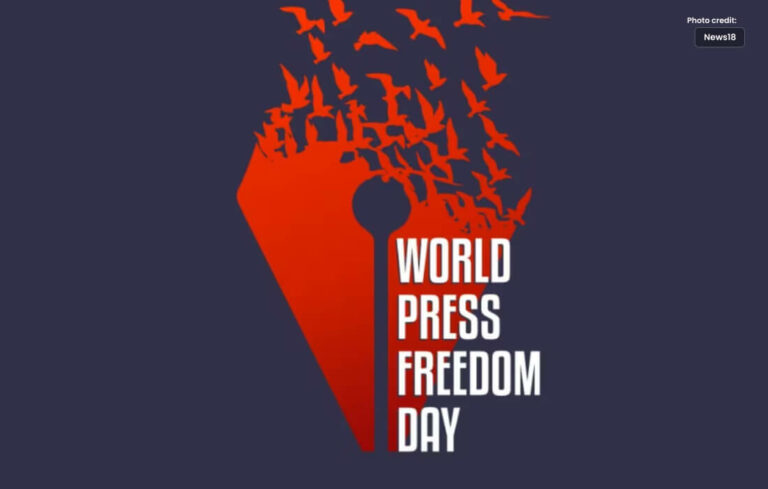
World Journalism Day Celebrated all Over the World Today

0

Today, World Journalism Day is being celebrated all over the world.

Today is World Journalism Day, but this day is a question mark on press freedom in Pakistan, be it dictatorship or democracy in Pakistan, freedom of press has been a dream in every era, during the last 3 decades, journalists have been under more than 70 terrorist attacks. while around 170 have lost their lives in various incidents while performing duty.

Read More Informative Articles In Urdu

Journalists facing pressure, bullying and threats in Pakistan are not only in mortal danger every moment but are often beaten, due to these reasons, Pakistan is included in the list of the most dangerous countries for journalism.

President Asif Zardari

On the other hand, President Asif Ali Zardari and Prime Minister Shehbaz Sharif paid tribute to the journalists who are fighting for the truth around the world.

In his message, President Asif Zardari said that independent press is indispensable for highlighting issues of global importance and dispelling fake news and superstitions.

The role of media in creating awareness about global issues including climate change, green technology and global warming is very important. Is.

Shahbaz Sharif

Prime Minister Shahbaz Sharif while saluting the martyred journalists in Gaza said that fighting oppression and bringing the truth to the fore is the message of World Press Freedom Day, freedom of expression is the foundation of democracy, protection of civil rights and truth in society.

Also read this: Holiday Announced on May 1 to Mark Labor Day

Pakistan Launch its First Satellite Moon Mission Today

0

Pakistan first satellite mission, iCube-Q, will be sent to moon.

Pakistan will launch the historic satellite mission named  iCube-Q at 12:50 PM. China’s Henan Space Launch Site is where the iCube-Q will depart for its lunar journey.

Live coverage of  iCube-Q Qamar satellite launch will be available on the website.

According to Dr Khurram Khurshid, a member of the Core Committee Institute of Space, if the mission is successful, Pakistan will become the sixth country in history to reach the moon. The iCube-Q mission is attached to Chang’e 6.

Read More Informative Articles In Urdu

He claimed that there are two cameras installed in iCube Qamar to take important pictures from the lunar south pole. This device is made in collaboration with China and Sparco.

Pakistan will be greatly impacted by China’s moon mission since it will also carry the IST-developed CubeSat satellite, iCube-Q.

These tiny satellites are primarily built in the form of cubes and are made up of modular parts that must fit together precisely within predetermined dimensions.

They only weigh a few kilograms, and their main function is to support space exploration-related scientific research and educational programs.

Also read this: Orbit’s Space Debris Threat to Satellites or Spacecrafts

KFC Closed 100 Outlets in Malaysia amid Pro-Palestinian Boycott

0

KFC Malaysia closed the 100 outlets due to ongoing boycott to Israel.

According to Anadolu Agency, KFC Malaysia has closed over 100 outlets as a result of the ongoing boycott because of its connections to Israel.

Since October 7 of last year, KFC has reduced its operations across Malaysia, especially in the state of Kelantan, as a result of a boycott sparked by resistance to US support for Tel Aviv following Israeli strikes on Gaza.

The Straits Times said on Monday that QSR Brands, the owner and manager of KFC’s fast-food chain in Malaysia, had closed 108 of its locations nationwide, citing information from a local Chinese-language daily.

Read More Informative Articles In Urdu

There has been a dramatic drop in customer traffic at KFC stores recently, which forced the US fast-food chain to close its more than 600 shops in the mostly Muslim nation of Southeast Asia.

“KFC is not on the list of businesses that BDS is targeting. In an interview with the Singapore-based journal, Professor Mohd Nazari Ismail, the leader of Boycott, Divestment, Sanctions Malaysia, a pro-Palestinian organization, noted that a sizable portion of Malaysians link KFC and any other American fast-food brand with Israel.

Boycott, Divestment, and Sanctions (BDS) is an international movement that calls for Israel to be sanctioned for its illegal occupation of Palestinian territory.

According to the source, KFC sees the boycott as an opportunity to stop running some of its less profitable outlets.

This month, protests against US backing for Israel forced KFC to close its first location in Algeria just two days after it opened.

Since Hamas launched a cross-border offensive on October 7, 2023, which resulted in the deaths of nearly 1,200 people, Israel has been bombing the Gaza Strip.

Also read this: Kashmiri Palestinian Couple Launch Website to Boycott Israeli Products

Asif Ali Zardari Resigned from the President of PPP

0

Asif Zardari on Thursday resigned from the post of president of PPP.

Since Asif Ali Zardari is now the president of Pakistan, he must resigned from the position of president of PPP. He has communicated the decision to the Pakistani Election Commission (ECP).

Asif Ali Zardari was elected as Pakistan’s 14th president in March, making history as the country’s sole civilian president twice.

Read More Informative Articles In Urdu

Zardari, who is also the co-chair of the Pakistan Peoples Party, was the joint candidate of the PPP and the Pakistan Muslim League-Nawaz (PML-N), which forms the ruling coalition.

In the National Assembly and Senate, the 68-year-old lawmaker received 255 votes, while Mahmood Khan Achakzai, his opponent, received 119 votes.

From 2008 until 2013, he was Pakistan’s 11th president—the first to be born after the country’s independence. His widow is the two-time elected prime minister of Pakistan, Benazir Bhutto. He served as a member of Pakistan’s National Assembly in 2018–2023 and again in 2024.

Also read this: Scotland Prime Minister Hamza Yusuf Resigned his Post

28 more Palestinians Martyred in Israeli Attacks

0

During 24 hours, 28 more Palestinians were martyred in Israeli attacks.

In the last 24 hours in Gaza, 28 more Palestinians were martyred in the attacks of the Israeli army.

According to the foreign news agency, the Zionist army attacked Al-Zahra city north of Nuseirat camp and martyred 6 Palestinians, while another Israeli attack on Nuseirat camp killed 3 Palestinians.

Israeli forces attacked a residential building in Gaza City, killing 2 Palestinians and injuring several civilians, while Israeli planes also attacked in Khan Yunis city, in which one Palestinian was martyred.

Read More Informative Articles In Urdu

According to the Palestinian Ministry of Health, the Israeli army in Gaza killed 28 more Palestinians in 24 hours while 51 Palestinians were injured.

According to the Palestinian Ministry of Health, the number of Palestinians martyred in Israeli attacks has reached 34 thousand 596, while 77 thousand 816 Palestinians have been injured in the attacks.

34 thousand 305 Palestinians have been martyred and 77 thousand 293 others have been injured in the ongoing Israeli offensive attack since October 7.

In addition, the Ministry of Health demanded an early supply of fuel for generators installed in hospitals in Gaza. The Ministry of Health has also expressed the fear of spreading sewage and dangerous diseases due to stagnant water.

Also read this: World Central Kitchen Resume Serving Food to Gaza

How to Interview People who Work in Tech Industry

0

Knowing types of questions asked during a tech interview can help you.

Learn the fundamental approaches and methods for conducting productive interview with tech industry executives. This blog offers thorough insights to assist you in navigating the challenges of interviewing IT professionals, from planning to implementation.

The tech sector is one of the most inventive and creative in the fast-paced world of today. Because this sector is advancing at a rapid pace, interviewing professionals in it calls for a special method.

Read More Informative Articles In Urdu

The technique of interviewing is crucial whether you work as a recruiter, a journalist, or are just looking to learn from computer gurus.

What is a technical interview?

An interview for a job in any field related to technology, including information technology, is called a technical interview. Technical interviews can be conducted in-person, over the phone, or online, and they can last anything from an hour to a whole day.

Traditional interview questions, brainteasers, technical competency exams, and problem-solving questions can all be included in an interview.

The interviewer will evaluate your technical knowledge, skills, and talents in relation to the requirements of the particular position you are seeking for during the technical interview.

The interviewer will evaluate your technical expertise and abilities, but they’ll also be interested in learning more about your problem-solving methodology and potential fit with the company’s culture.

Recognizing the Environment

It’s essential to have a thorough understanding of the tech business before beginning the interview process. This entails keeping abreast of the most recent innovations, trends, and technology influencing the industry.

Get to know the major players, up-and-coming companies, and prominent individuals in the field. This basic understanding will enable you to pose pertinent questions and establish your credibility with the interviewee.

Research

The secret to having a great interview is preparation. Make sure you thoroughly investigate the person you will be interviewing, including their work history, industry contributions, and any recent endeavors or successes.

Examine every aspect of their internet presence, such as blogs, social media accounts, and published articles. This will demonstrate to your interviewee that you’ve done your research and will also help you customize your questions.

Formulating Thoughtful Inquiries

Creating well-considered and perceptive interview questions is arguably the most important component of conducting a successful interview. Steer clear of general questions and concentrate on probing into the interviewee’s area of expertise, experiences, and viewpoints.

Think about finding out about their professional background, obstacles they’ve overcome, lessons they’ve learned, and industry projections. Try to start significant conversations with your questions; open-ended inquiries usually get the most interesting answers.

Building a Connection

Establishing a good relationship with your interviewee is crucial to creating a relaxed and productive environment. To assist reduce anxiety and build rapport, strike up a casual discussion to start the interview.

As you attentively listen to the interviewee’s comments, show that you genuinely care about their experiences and background. Always remember to be approachable and friendly at the same time as maintaining a professional manner.

Accepting Technology

It should come as no surprise that technology is a big part of the interview process, considering the nature of the tech sector. Become familiar with the platforms and tools required for conducting interviews, whether they are conducted in person or virtually.

A reliable internet connection should be made, audio and video quality should be checked beforehand, and you should become familiar with any software or programs you plan to use. Tech-savvy interviewing not only makes things go more smoothly, but it also demonstrates your versatility in the digital world.

Being Adaptable and Actively Listening

Engage in complete conversation with the interviewee by practicing active listening during the interview. Instead of interjecting, give them time to finish expressing their ideas.

Be mindful to non-verbal indicators like body language and voice tone, as these might reveal important details about their viewpoints and feelings.

Be adaptive and fluid in your approach, letting the discussion flow naturally while guiding it toward important subjects of interest.

Concluding with Appreciation

Tell the subject how much you appreciate their time and insights as the interview comes to an end. Give them a chance to express any more ideas or reflections they may have.

Give explicit instructions for what comes next, such as asking further questions later on, sending the interview transcript for approval, or setting up a follow-up meeting. Don’t forget to express your gratitude to them once more for their involvement in the conversation.

Conclusion

When done correctly, conducting interviews with tech industry professionals can be a fruitful and educational experience. You can conduct interviews that provide insightful and meaningful talks by knowing the field, doing extensive research, developing thoughtful questions, building rapport, embracing technology, engaging in active listening, and ending with gratitude. So go ahead, put in a lot of preparation, and start your quest to becoming an expert in tech professional interviews.

Also read this: Tech Company Cognition Launched World’s first AI Software Engineer